Repairability versus Replacement: Why the so-called Brittle Test is Not a Valid Measure of Roof Repairability
Repair versus Replacement
Why the Brittle Test Is Not a Valid Measure of Roof Repairability
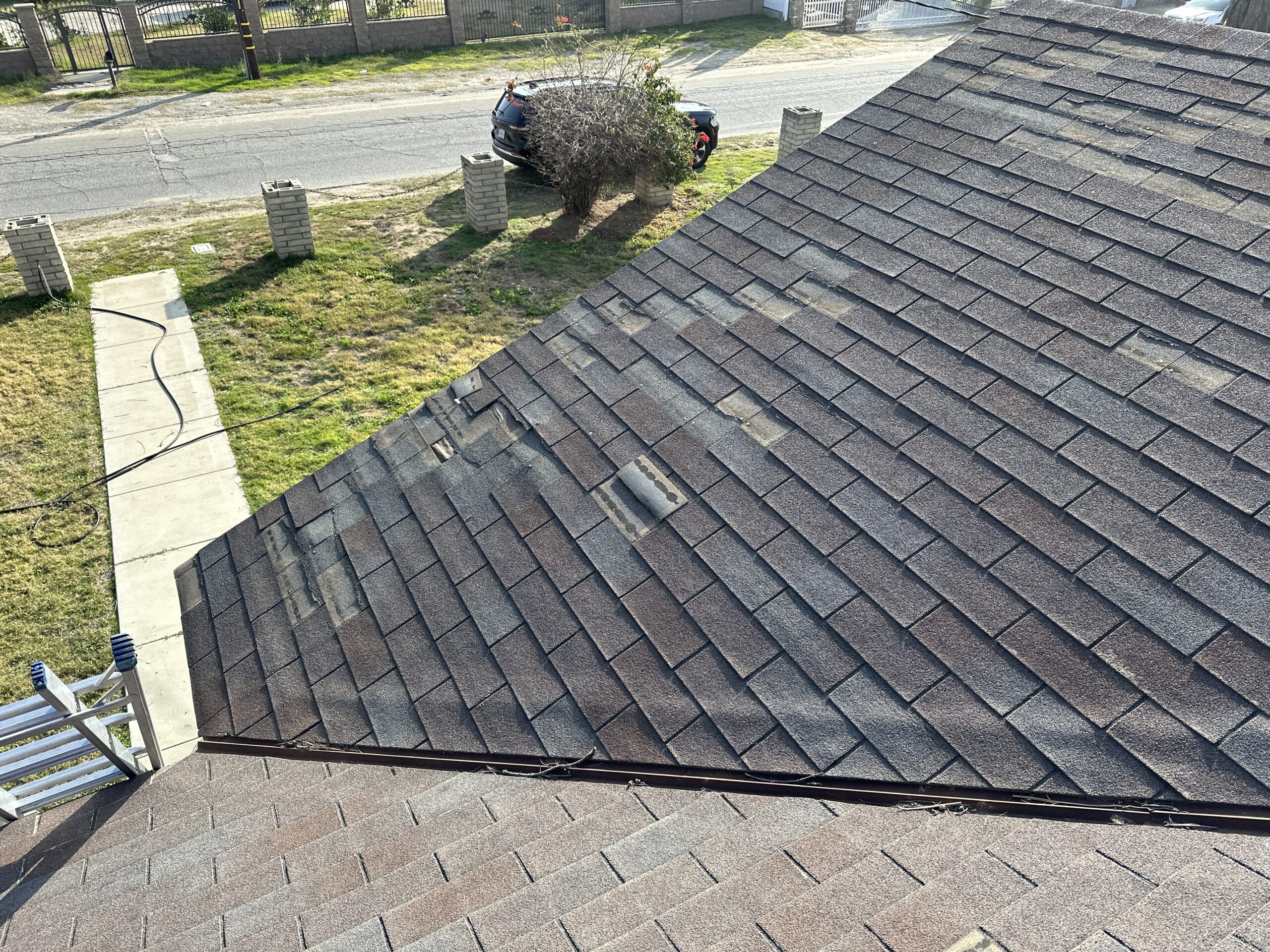
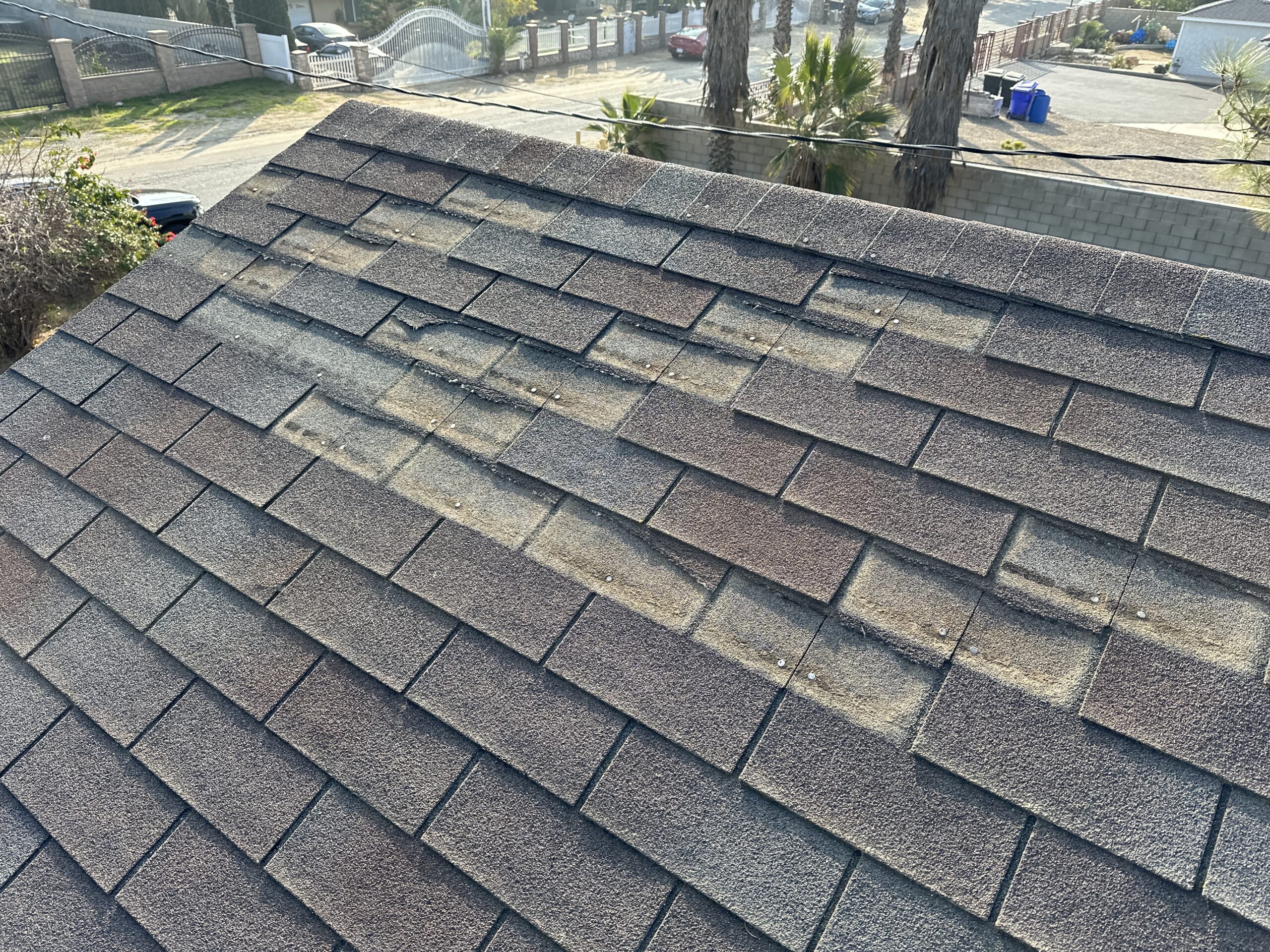
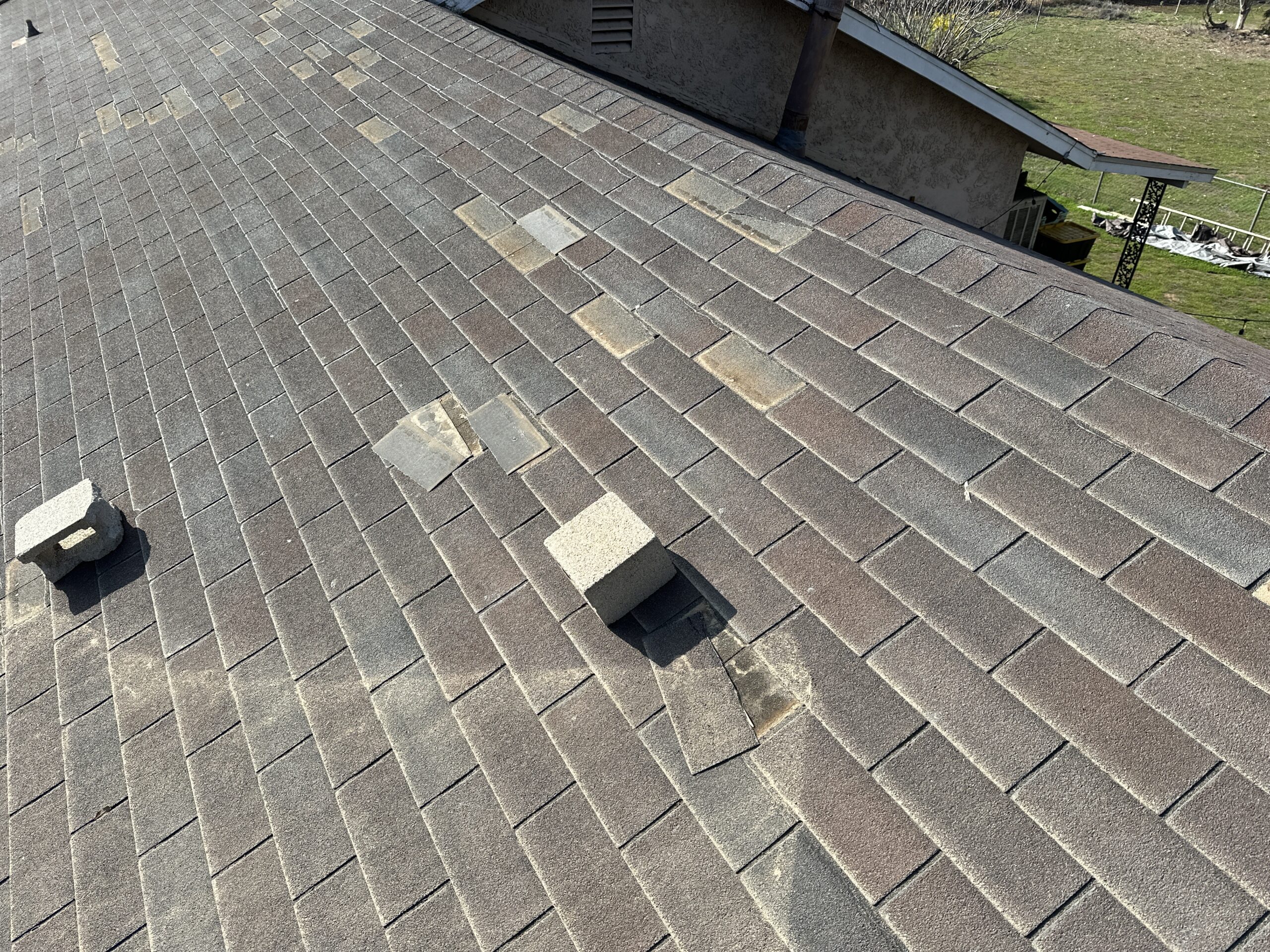
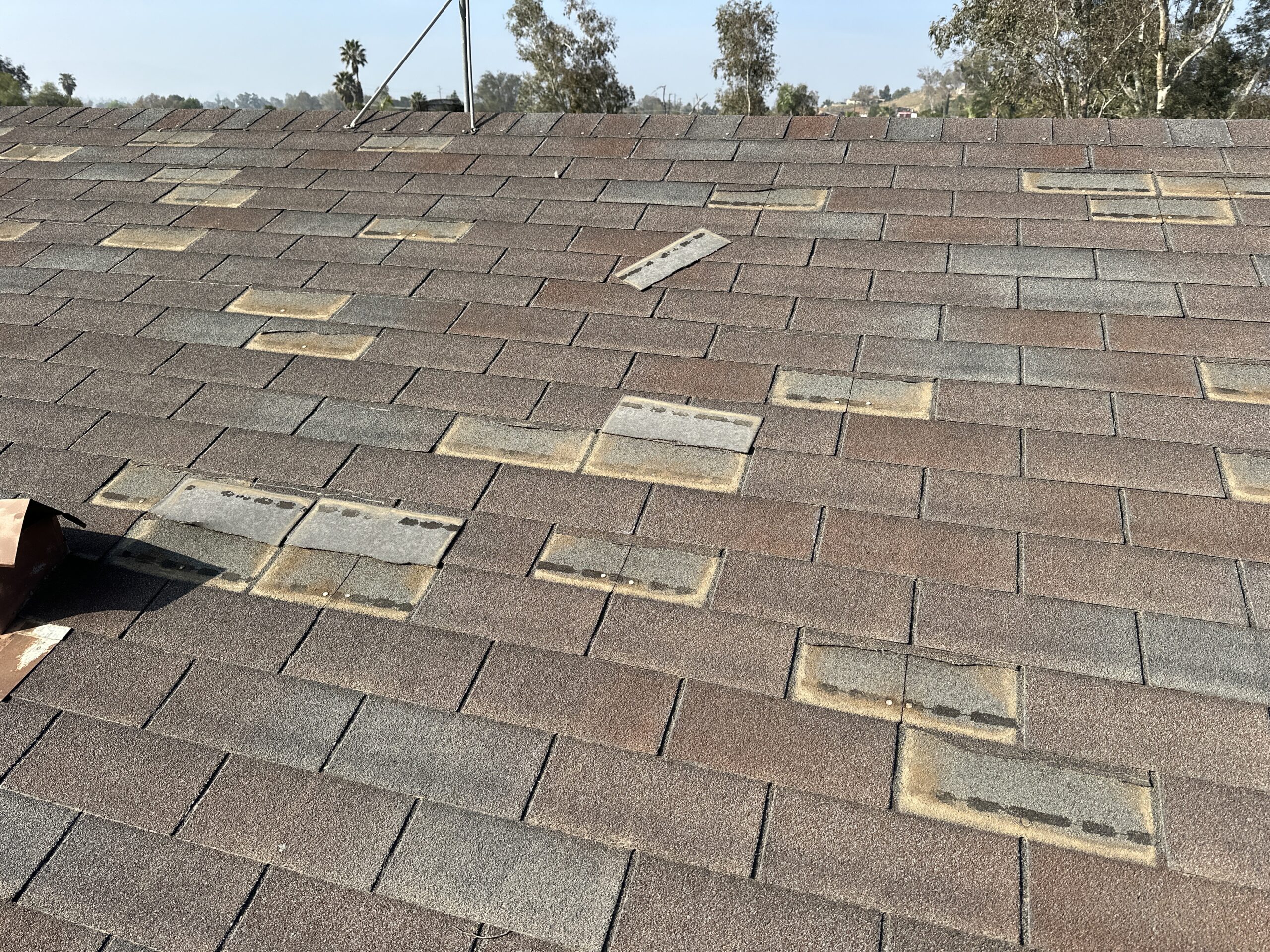
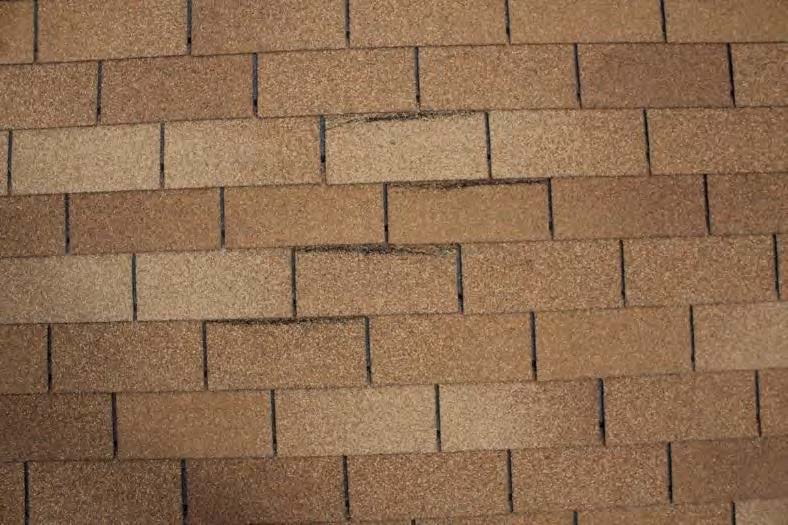
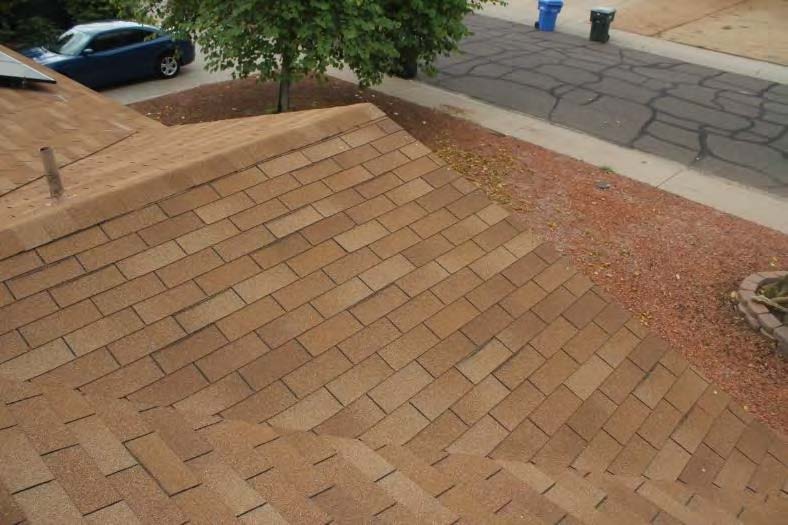
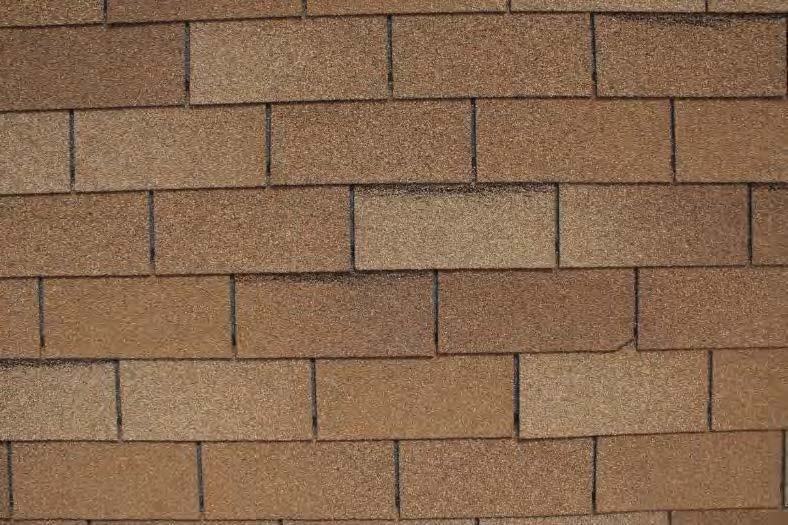
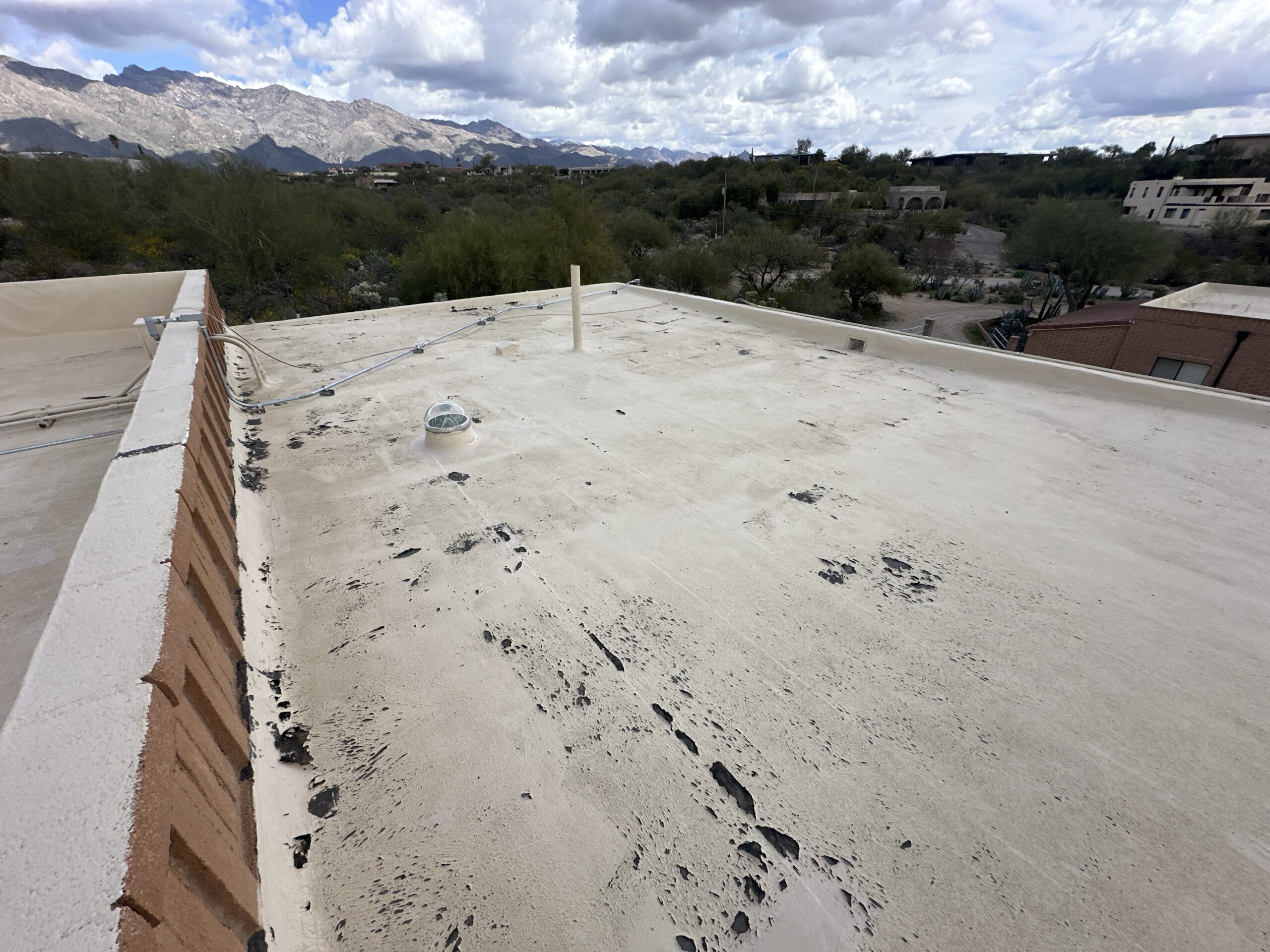
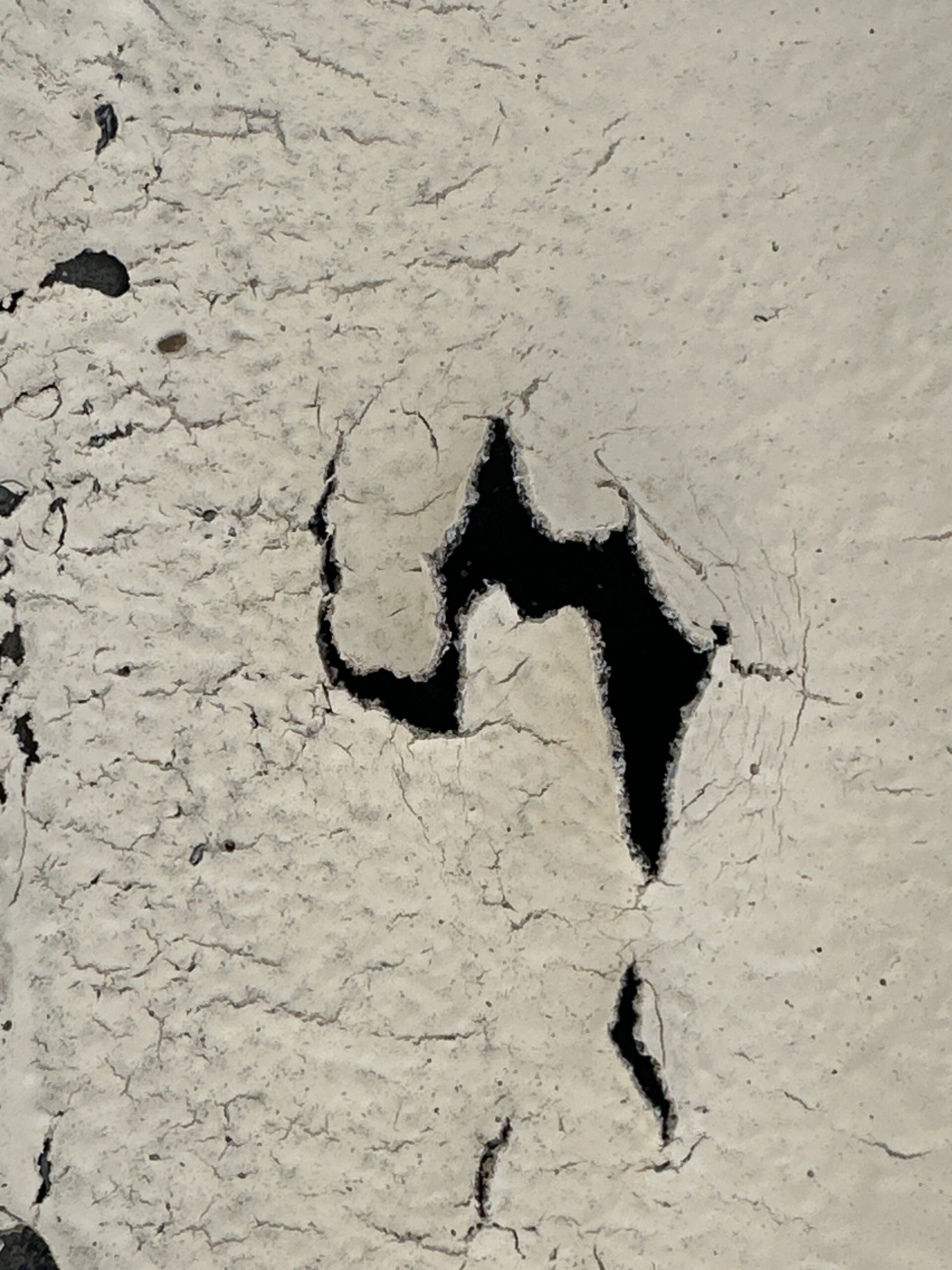
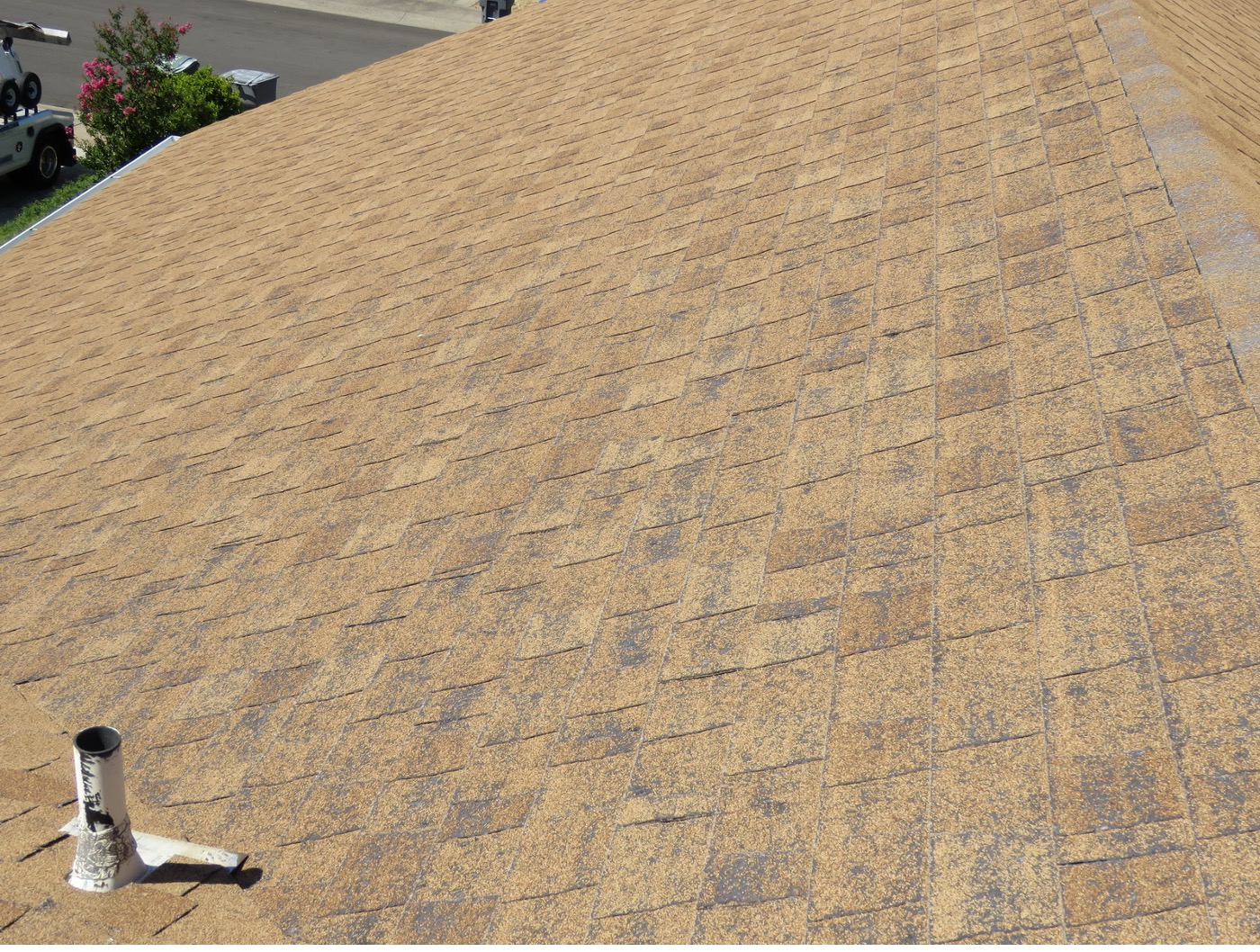
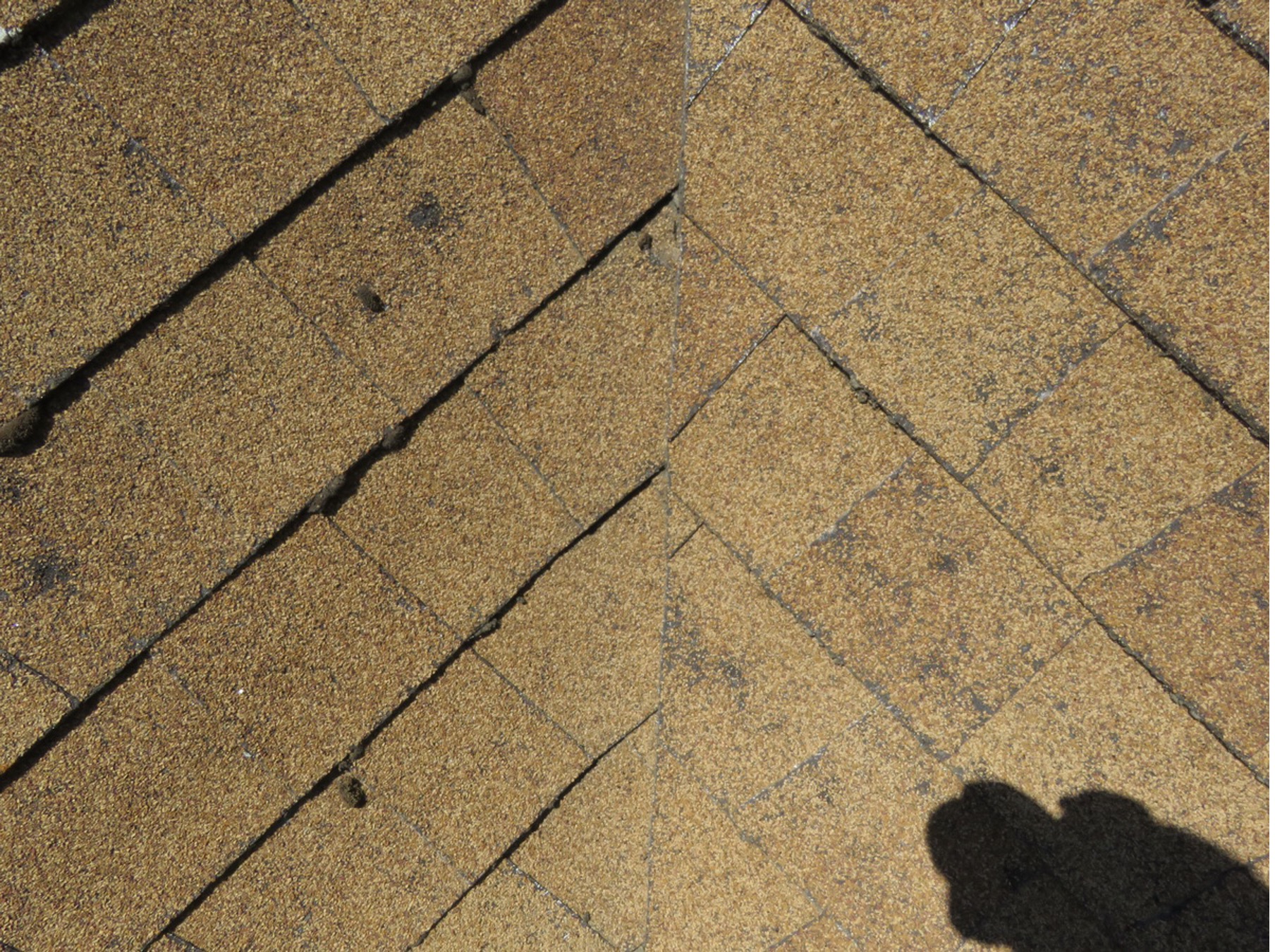
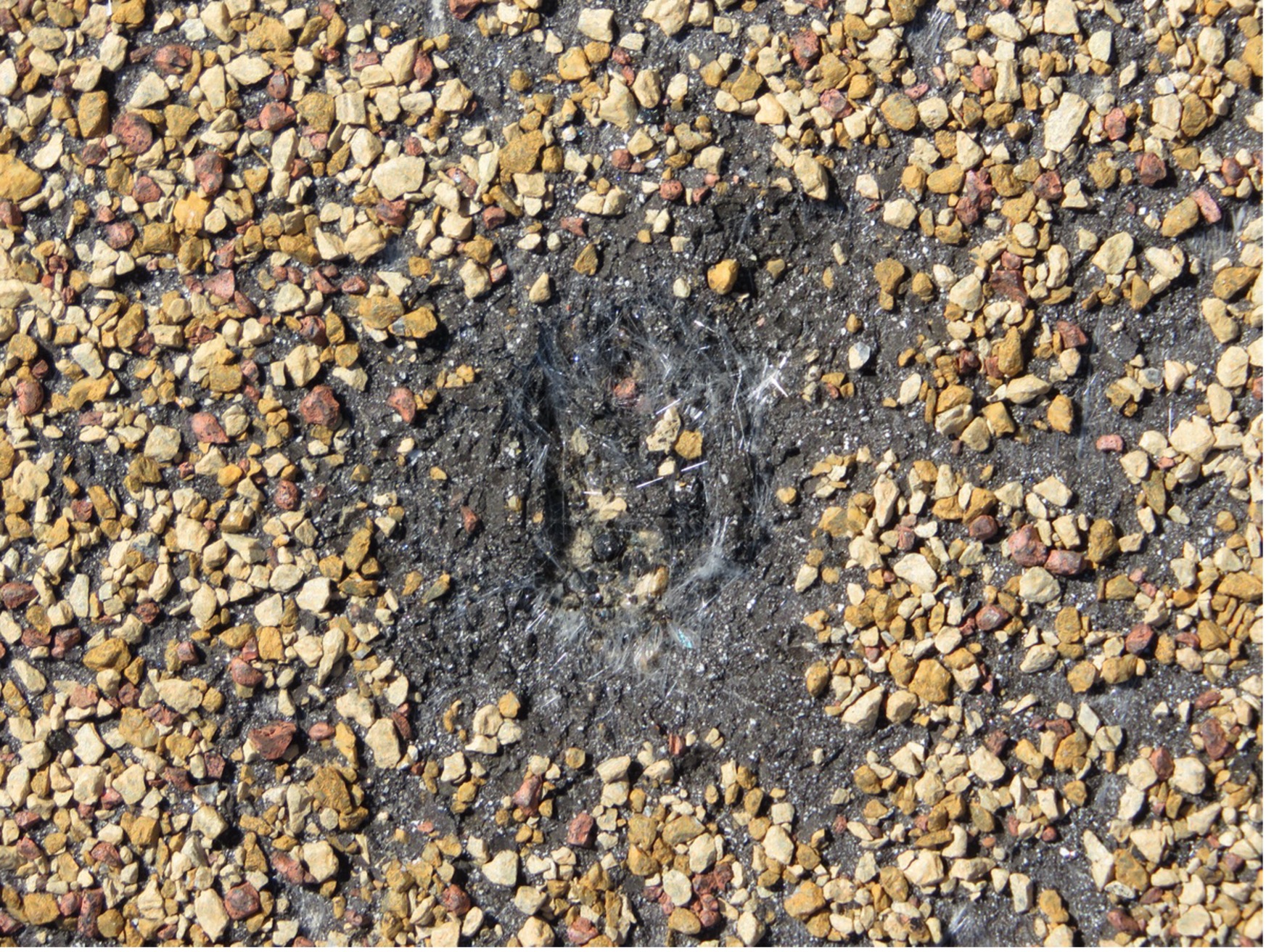
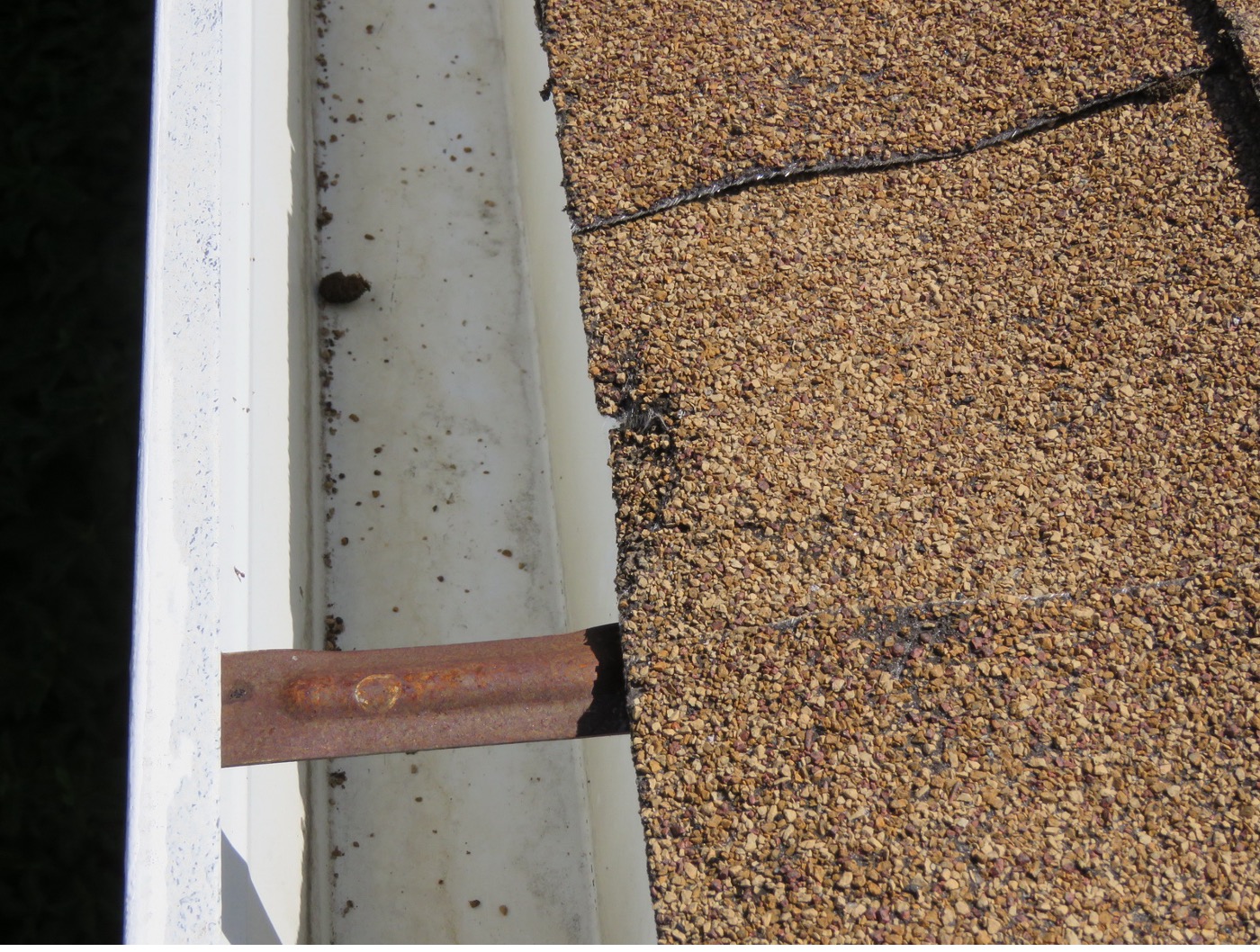
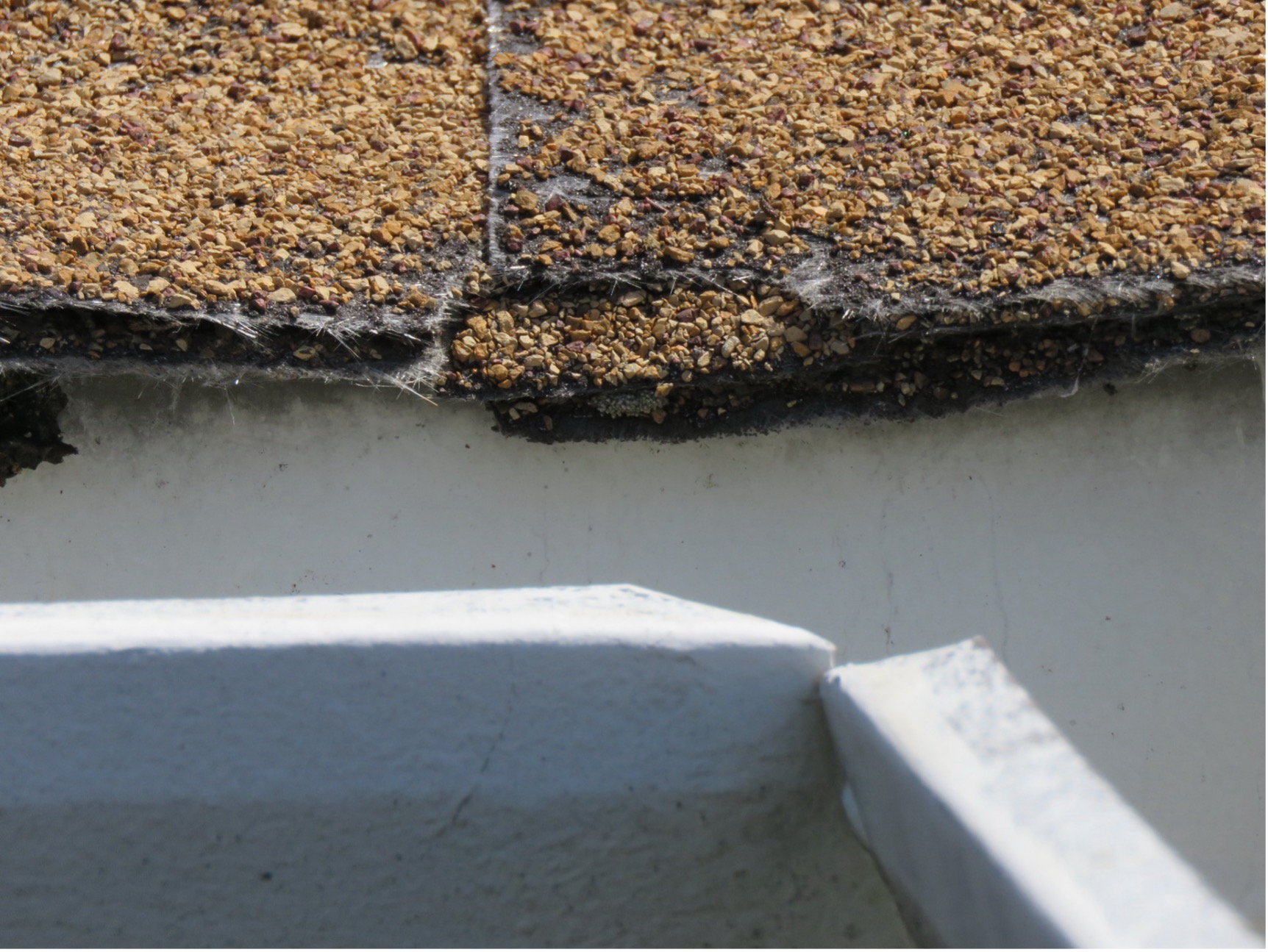
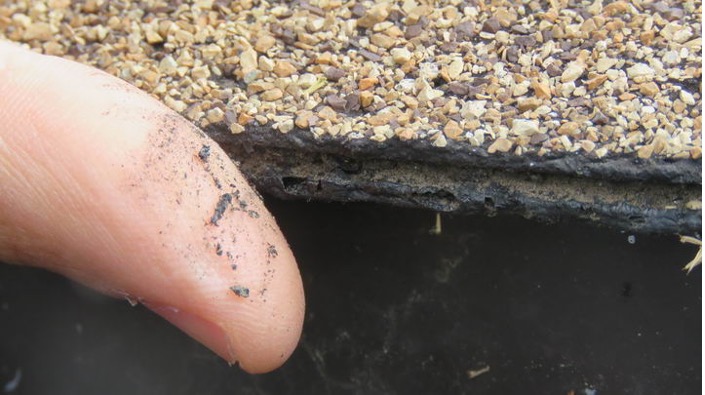
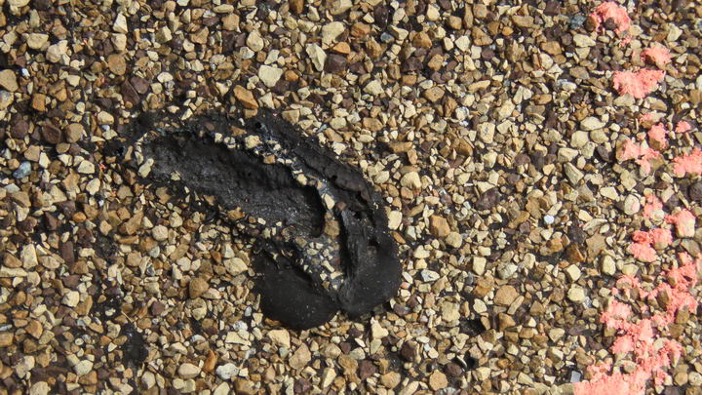
Asphalt shingle roofs naturally degrade over time due to prolonged exposure to the elements. Daily cycles of UV radiation, temperature fluctuations, rain, wind, and other factors gradually break down the asphalt binder and protective granules. Common signs of wear include granule loss, surface cracking, exposed fiberglass, thermal splitting, loss of adhesion, and weakened seal strips. Over the years, these cumulative effects can lead to reduced flexibility, especially on older roofs or those in harsh climates.
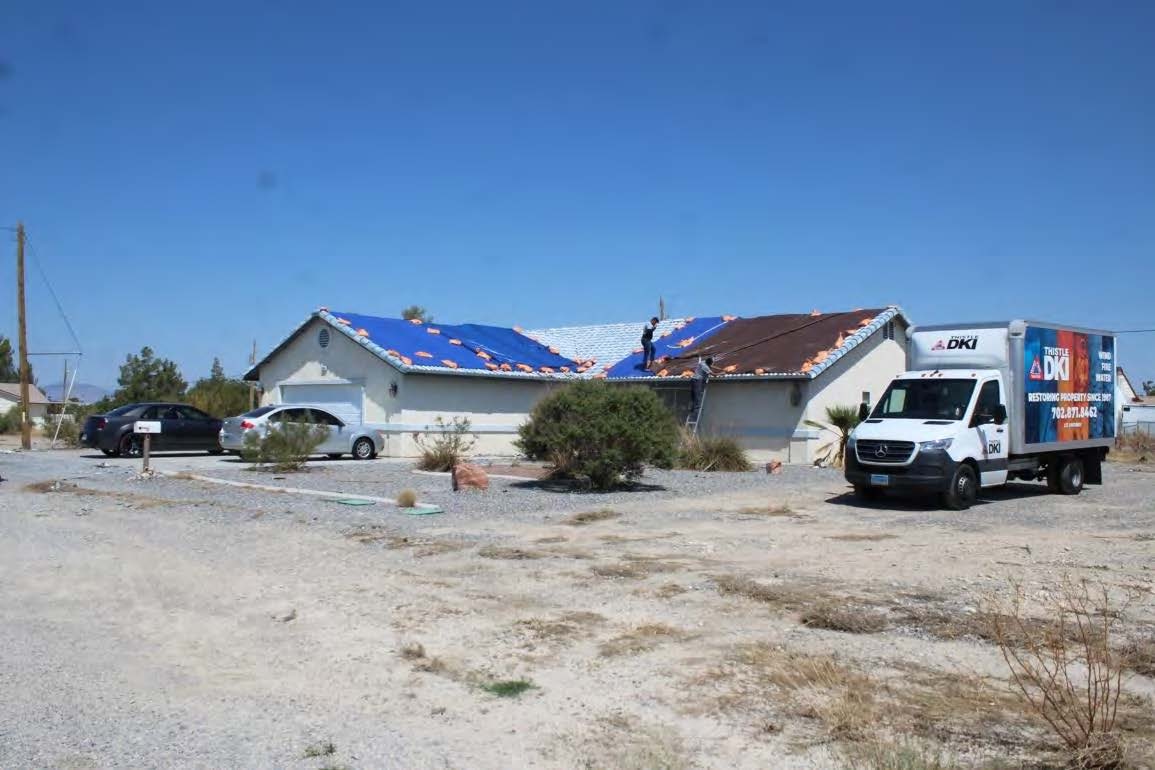
After major weather events like hailstorms or high winds, it’s common for contractors to canvas affected neighborhoods, offering free inspections or repair estimates. Sometimes, homeowners contact a contractor directly, and in other cases, their insurance company may direct them to have a contractor evaluate the roof. In any of these scenarios, the contractor is expected to assess the extent of damage and determine whether the roof is repairable or if full replacement is necessary.
Determining Repairability
Contractors perform a so-called Brittle Test to help justify the full replacement of the roof covering.
Brittle Test Variables
Many variables are unaccounted for by contractors who perform the test.
Standardizing the Brittle Test
The Brittle Test has not been formally recognized or validated by ASTM but would need to for credibility.
Determining the Repairability or Replacement of the Roof Covering: The Brittle Test
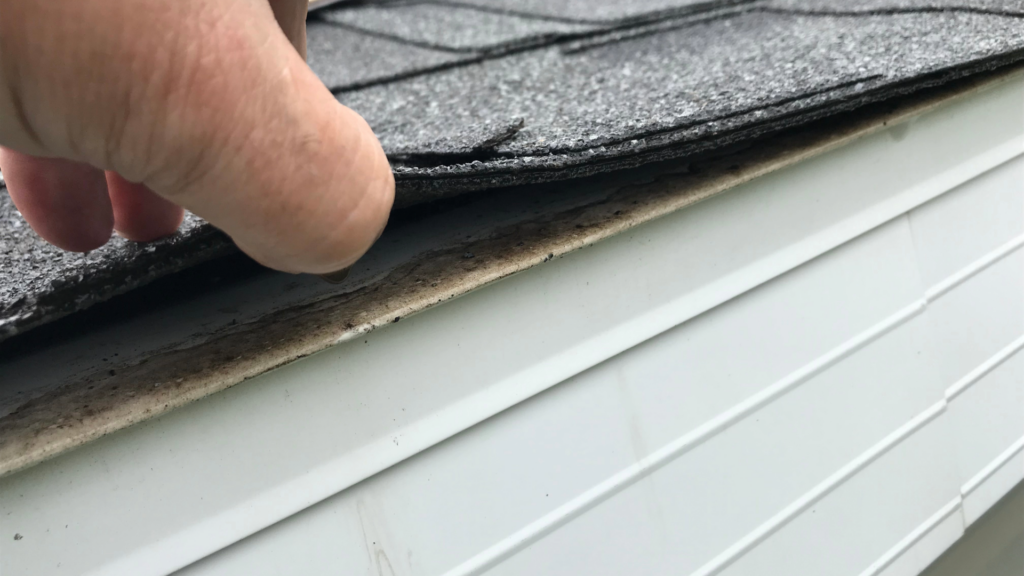
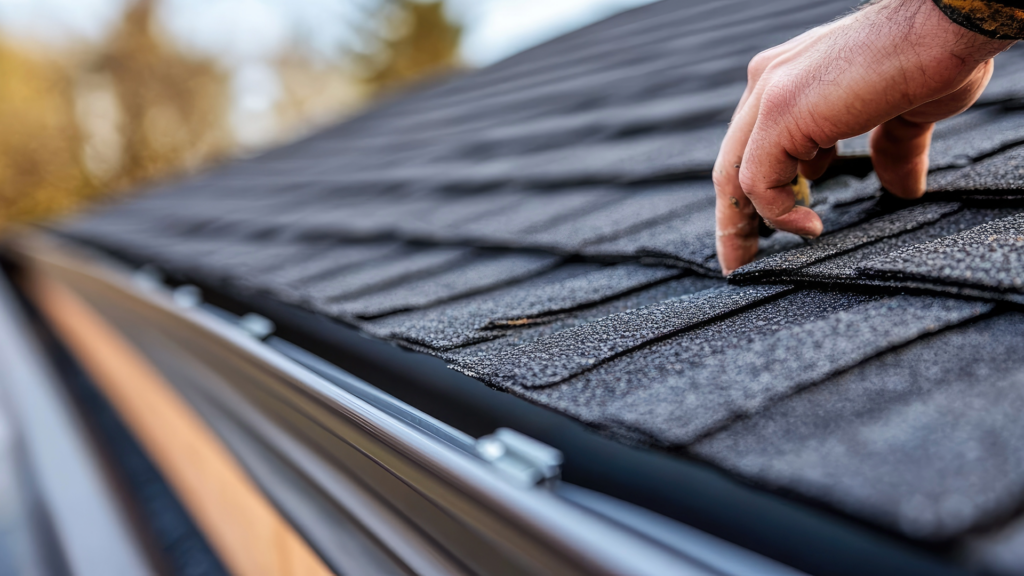
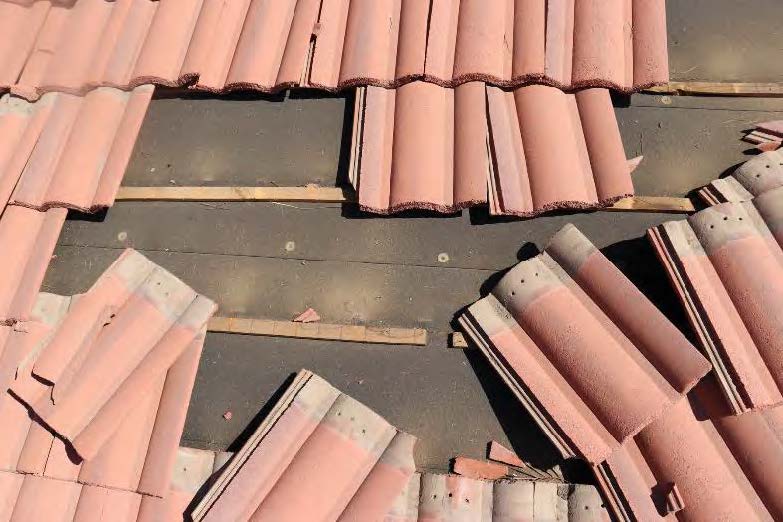
During post-storm inspections or routine evaluations, some contractors perform an informal procedure known as the brittle test to assess whether a roof can be repaired. The test is intended to evaluate whether asphalt shingles can be manipulated—typically lifted or resealed—without cracking or breaking.
Although used in the field, the brittle test is an unstandardized method with no formal recognition in the roofing or engineering community. The process generally consists of the following:
Lifting the shingle tab—to simulate the motion required during a repair, such as replacing a damaged shingle beneath.
Flexing or bending the tab—to determine whether the shingle can be moved without cracking, creasing, or tearing.
Making a repairability judgment—if the shingle shows visible damage, the contractor may conclude the roof is unrepairable and recommend full replacement.
The test is often presented to homeowners and insurance carriers as justification for replacement. However, the method is entirely subjective, lacks repeatability, and is not grounded in any recognized testing standards.
What Contractors Are Overlooking When Performing the Brittle Test
Contractors using the brittle test are likely not accounting for the many transient variables that influence the outcome of the test itself. These factors can drastically alter results—sometimes from one shingle to the next—making the test unreliable for determining repairability.
When these variables are not controlled—or even considered—the brittle test becomes a subjective judgment, not a reliable or scientifically grounded assessment.
Here’s what’s overlooked:
- Temperature Sensitivity—Shingles are more prone to cracking in cold weather. A test performed at 40°F may yield completely different results than one at 80°F.
- Subjective Force Application—No standardized pressure or force is applied, leading to inconsistent outcomes depending on who performs the test.
- Testing Angle and Direction—Flexing a shingle at different angles introduces varying stress levels. There’s no agreed-upon method for this.
- Moisture and Humidity—Wet or dew-covered shingles behave differently than dry ones.
- Sun Exposure and Thermal History—Shingles in direct sunlight may be softened, while shaded areas remain stiff. These differences can affect test results.
- External Environmental Conditions—Wind, surface contamination, and other on-site factors at the time of the test can influence handling and skew the outcome.
- Time of Day—Surface temperatures fluctuate widely throughout the day, making a morning test potentially inconsistent with one performed in the afternoon.
- Lack of Repeatability—The brittle test yields different results when repeated, even on adjacent shingles or the same slope.
- No Objective Measurement Tools—The test is manual and visual. There are no instruments used to measure deflection, force, or fracture behavior.
- No Defined Pass/Fail Criteria—There’s no accepted threshold for what constitutes failure. Interpretations vary widely.
- No Control Samples or Baseline—Results aren’t compared to known flexible shingles or manufacturer baselines, making conclusions unanchored.
- Adhesive Bonding Effects—Pulling up a sealed shingle may cause damage unrelated to brittleness, skewing results.
- Installation Variables—Overdriven nails, improper spacing, or poor adhesion can affect shingle performance independently of material brittleness.
Standardizing the Brittle Test: Gaining Credibility
Although used in the field, the brittle test has not been formally recognized or validated by the American Society for Testing and Materials (ASTM) International—the primary standards organization responsible for establishing material testing protocols for asphalt shingles.
If the brittle test were to gain industry-wide credibility, it would need to go through ASTM’s established standardization process under Committee D08 (Roofing and Waterproofing). This process is designed to ensure that any new test method is objective, repeatable, and scientifically sound. Here’s what that would likely involve:
Proposal Submission—A stakeholder would need to submit a New Work Item Proposal (NWIP), clearly outlining the purpose of the test and the gap it would fill in current standards.
Task Group Formation—ASTM would assign a task group made up of technical experts, industry professionals, and stakeholders to begin the development of the test method.
Defining Test Parameters—The group would need to define precise and repeatable procedures, including variables such as:
Temperature ranges
Force application
Bending angle and technique
Pass/fail criteria
Sample preparation and conditioning
Laboratory Validation—The method would undergo testing in controlled environments to ensure it produces consistent, repeatable, and meaningful results across different roofing products and conditions.
Balloting and Consensus—The draft standard would be reviewed and voted on by both the subcommittee and the full committee. A two-thirds majority is required to pass.
Final Publication—If approved, the brittle test would be published as an official ASTM standard and made available to the roofing and insurance industries.
Conclusion: The Brittle Test Is Not a Practical or Valid Tool...Yet
The brittle test, as currently performed, is not rooted in science, has not been standardized, and fails to account for numerous testing-specific factors that can significantly influence results. It remains a non-repeatable, non-validated, and non-defensible method that should not be used to determine roof repairability—especially in the context of insurance claims.
Repairability decisions should be made using objective criteria, sound engineering judgment, and standards-based methods—not informal field tests that vary from contractor to contractor.
Until or unless the brittle test undergoes formal validation and standardization, it should not be considered a legitimate factor in determining whether a roof can be repaired.
Stay Connected
Stay Up to Date with Helmy Forensics
Join our mailing list for updates on our work, future course offerings, and the latest news from our team.
We Value Your Inbox—no spam, just insights, news, and resources.
We Follow Best Practices
Committed to Excellence in Forensics
Delivering actionable forensic solutions through unmatched expertise, advanced methods, and unwavering commitment to accuracy and excellence.
- Scientific Integrity
- Adherence to Industry Codes and Standards
- Peer Reviewed Reports
- Professional Development and Certifications
WHY HELMY?
We go beyond standard investigations, delivering tailored analyses with advanced technology, unmatched expertise, and precise, fast reporting. Our commitment to excellence ensures comprehensive solutions and the clarity needed to make informed decisions, no matter the complexity of your case.
Precision and Reliability
- 24/7 Availability
- Thorough and Meticulous Investigations
- Advanced Technology
Superior Reporting
- Verbal Reports Directly from the Site
- Abbreviated Reports within 3 Business Days
- Comprehensive Reports within 7 Business Days
- Various Report Styles to Fit any Budget
Experience and Expertise
- Mastery of Forensic Engineering Investigations
- 15 years of Experience on Average per Engineer
- Definitive and Actionable Expert Reports
Quality Service
- Clear and Frequent Communication
- Responsive Staff
- Single Point of Contact
HOW CAN WE HELP YOU?
Submitting an assignment through our web portal is fast and easy. You can also request a call or submit an inquiry with one of our forensic engineers who will respond promptly.
WHERE WE ARE
California | Arizona | Nevada | Colorado | Utah | Oregon | Washington | Florida

Main Office
2014 Capitol Avenue
Suite 100
Sacramento, CA 95811
877-877-1655
info@helmyforensics.com
Copyright © 2024 Helmy Forensics - All Rights Reserved.